
African youth call for water to be central to climate adaptation financing
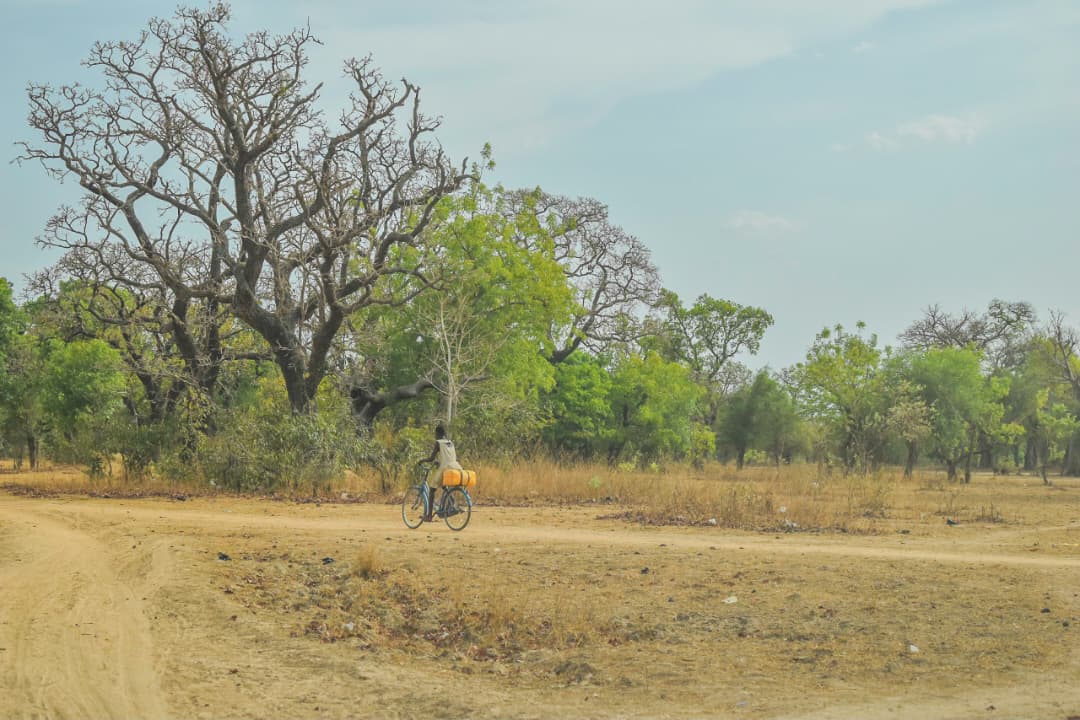
Young people across Africa are calling on global leaders to make water a central part of climate adaptation planning and financing, warning that communities are already facing severe consequences from water insecurity and climate change. The call is contained in a new report by the African Youth Water and Climate Engagement Initiative (AYWCEI), led by the Green Africa Youth Organization (GAYO) with support from the Children’s Investment Fund Foundation (CIFF).
The report is based on a survey of 1,209 young people across 51 African countries, as well as five sub-regional consultations involving 984 participants from West, Central, East, North and Southern Africa. The findings show that young people are disproportionately affected by water and climate challenges but have limited influence over the decisions and financing mechanisms intended to address them.
According to the report, 76 per cent of young respondents say they have no real say in water and climate-related decisions, while 52 per cent say their communities are poorly equipped to cope with climate impacts. It also found that 29 per cent of young people have lost, or are losing, livelihoods that depend on water.
Access to funding for youth-led solutions remains particularly limited, with only 9 per cent of respondents saying they know of a youth-led initiative that has received funding.
Women and girls among those most affected
The report highlights the disproportionate impact of water insecurity on women and girls, particularly in rural communities where they often bear responsibility for collecting water.
A young participant from Nigeria, Emmanuella Chukwudi, described the challenges facing girls in her community.
“The young girls in my community are mostly affected, as they are laden with the responsibility of fetching water from neighbouring communities or even a farther location.”
She said a girl in the community was discovered pregnant after an alleged assault while fetching water from a neighbouring village, adding that farmers were also being affected by water-related challenges. The findings underscore the links between water insecurity, gender vulnerability, livelihoods and climate change.
Youth already developing solutions
Despite the challenges, the report says young people should not be viewed only as victims of the climate crisis.
Baliqees Salaudeen-Ibrahim, Climate Director at GAYO, said the initiative was seeking to understand the water challenges confronting Africa while documenting how young people are responding to them.
“What we’re trying to understand is what the current water challenges are on the continent of Africa and how young people are responding to this problem,” she said.
She said GAYO intends to identify youth-led water solutions that are bankable, scalable and replicable, while mobilising resources to support their implementation.
Kate Hampton, Chief Executive Officer of CIFF, said the report demonstrates that young people are already taking action in their communities.
“They have actions that they’re taking in their communities, so we’re trying to show how young people are driving solutions, not just talking about solutions,” she said.
Call for water to be prioritised in climate finance
The report is anchored in AYWCEI’s African Youth Water and Climate Position Statement, which sets out 12 priorities covering water security, sanitation, climate adaptation, adaptation finance and water governance. At the heart of the position is a call for water to be integrated more directly into climate adaptation planning and financing.
The initiative is also calling for greater investment in youth-led solutions, arguing that young people should not only be recognised for their contribution to addressing the climate crisis but should have access to the resources required to implement and scale their ideas.
The findings come as African countries continue to push for increased and more predictable financing to help vulnerable communities adapt to climate change, with water security emerging as a critical component of the continent’s climate resilience efforts.
From Abu Dhabi to Addis Ababa
The AYWCEI plans to present the report at the 2026 UN Water Conference in Abu Dhabi from December 8 to 10, where governments and development partners will discuss progress towards Sustainable Development Goal 6 on clean water and sanitation.
The initiative is also expected to take its work to COP32 in Addis Ababa in 2027, where the focus will be on community-led solutions that can attract funding and be scaled across affected communities. The report ultimately calls for a shift from recognising the challenges facing young people to financing the solutions they are already developing.
For millions of African communities facing water insecurity, the initiative says the priority now is to translate evidence and youth-led innovation into practical, adequately funded action.
Story by: Mark Acheampong
Mark Acheampong
Reporter, AGTV News Desk GENERALIET-GH HONOURS JOURNALIST AMOS KWOFIE FOR PROMOTING ENGINEERING EXCELLENCENovember 20, 2026
 GENERALSix in 10 Africans Experience Moderate or High Levels of Lived Poverty – AfrobarometerNovember 6, 2026
 GENERALAfrobarometer Named Among 2026 Think Tanks to WatchNovember 6, 2026
 AGRICULTUREMIIF, Forestry Commission Launch Five-Year Forest Restoration Project in Western RegionNovember 2, 2026