
AfCFTA Pushes Stronger Intra-African Agricultural Trade
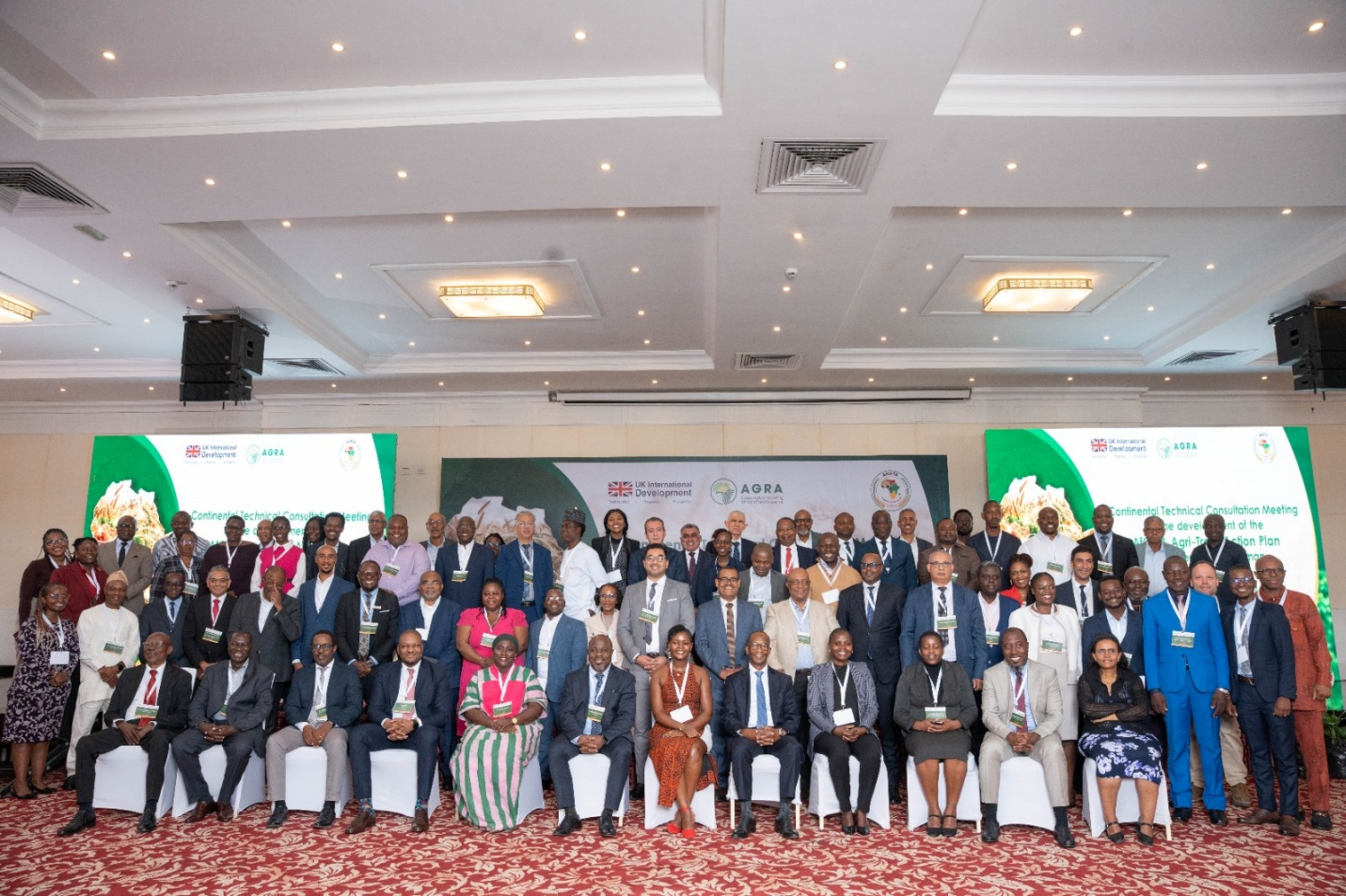
The African Continental Free Trade Area (AfCFTA) is stepping up efforts to increase agricultural trade among African countries by strengthening regional value chains, attracting investment and expanding market opportunities for farmers and businesses.
The initiative is being advanced through a Continental Technical Consultation on the Implementation Roadmap of the AfCFTA Agri-Trade Action Plan, which is bringing together Member States, Regional Economic Communities (RECs), development partners, private-sector representatives and technical experts.
The consultation seeks to translate the priorities identified under the Agri-Trade Action Plan into a costed and actionable implementation roadmap.
The broader goal is to ensure that more of the agricultural products produced on the continent are traded within Africa, creating stronger links between producers, processors, distributors and consumers across national borders.
Nine priority value chains
The AfCFTA Agri-Trade Action Plan focuses on nine priority agricultural value chains, covering products that are widely produced and consumed across Africa.
These include maize, rice, fruits and vegetables, meat, fish, cashew and cotton, among others.
By prioritising these value chains, the initiative aims to strengthen connections between agricultural production, processing, investment and markets, while enabling farmers, producers and businesses to benefit more directly from the opportunities created by the AfCFTA.
Stronger regional value chains could also allow agricultural producers in one country to supply processors and consumers in another, supporting the development of more integrated continental markets.
From priorities to implementation
The ongoing technical consultation is expected to play a key role in moving the Agri-Trade Action Plan from policy priorities to practical implementation.
The participation of governments, RECs, development partners, private-sector actors and technical experts is intended to help identify specific actions, timelines and resources required to implement the plan.
The focus on a costed and actionable roadmap is also aimed at addressing one of the major challenges facing continental trade initiatives—moving from commitments and strategies to concrete implementation.
The AfCFTA’s agricultural trade agenda is therefore centred on increasing the volume of food and agricultural products traded within Africa, while promoting investment and strengthening regional production and supply chains.
For African farmers and agribusinesses, the objective is clear: to transform the continent’s agricultural productive capacity into expanded access to African markets.
Story by Mark Acheampong
Mark Acheampong
Senior Reporter, AGTV News Desk BUSINESSMIIF, Zijin Golden Ridge Partner to Restore 50 Acres of Degraded Forest LandOctober 27, 2026
 BUSINESSAfCFTA Launches North Africa SME Booster Programme to Expand Intra-African TradeOctober 7, 2026
 BUSINESSAfCFTA Urges African Businesses to Report Non-Tariff BarriersSeptember 30, 2026
 BUSINESSAfCFTA, Intellectual Property Summit Partner to Drive African Trade and InnovationSeptember 30, 2026