
CADeP Blames Institutional Failures for Recurring Flooding in Accra, Demands Accountability
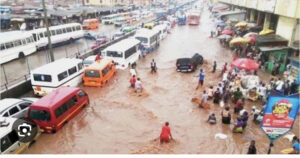
The Center for Africa Development and Progress (CADeP) has attributed the persistent flooding in Accra to decades of institutional negligence, corruption, and weak enforcement of planning regulations, following the torrential rains of June 30, 2026, which submerged parts of the capital and disrupted economic activities.
According to the organization, the latest flooding episode is not a natural disaster but a man-made crisis resulting from failures by state institutions responsible for urban planning and development control.
Speaking on the situation, CADeP Executive Chairman and Founder, Johanes Koku Nyagblordzro, stated that Ghana’s institutions had repeatedly failed to learn from previous flood disasters despite their devastating consequences.
He recalled major flooding incidents, including the 1995 floods and the June 3, 2015 disaster, when heavy rains and poor urban planning contributed to the explosion at the GOIL filling station at Circle, leading to the loss of more than 200 lives. He argued that more than a decade after the tragedy, Accra continues to experience the same challenges.
Mr. Nyagblordzro questioned the effectiveness of agencies responsible for city and town planning, noting that public officials are funded by taxpayers to ensure proper settlement planning and structural development. He expressed concern over the continued construction of buildings on waterways, poorly maintained drainage systems, and what he described as inadequate oversight in the issuance of development permits.
CADeP further called for an immediate forensic audit of the country’s city and town planning departments. The organization said public officials found to have approved or overseen developments in flood-prone areas should face both legal and administrative sanctions.
The group also urged Parliament and local assemblies to prioritize the enforcement of existing environmental and zoning regulations instead of continually developing new flood mitigation plans without implementation.
While placing primary responsibility on state institutions, CADeP acknowledged the role of citizens in addressing the problem. The organization called on residents to desist from indiscriminate waste disposal, which it said contributes significantly to the blockage of drainage systems across the capital.
Referencing the ideals of Ghana’s first President, Kwame Nkrumah, Mr. Nyagblordzro stressed the need for public officials to demonstrate integrity and place the national interest above personal considerations. He maintained that without a renewed commitment to accountability and ethical leadership, Accra would continue to experience recurring floods.
CADeP subsequently appealed to civil society organizations, the media, and the general public to move beyond partisan political debates and demand measurable accountability from municipal authorities before future floods result in further loss of lives and property.
Story by Mark Acheampong
Mark Acheampong
Senior Reporter, AGTV News Desk GENERALAfrobarometer Report: Most Africans Support Free Movement but Remain Cautious About ImmigrationAugust 5, 2026
 AGRICULTUREAgric Minister Reaffirms Support for RUDN Graduates to Drive Feed Ghana AgendaAugust 5, 2026
 BUSINESSGhana Validates AfCFTA Trade Implementation Review to Boost Intra-African TradeAugust 5, 2026
 BUSINESSAfCFTA Secretariat, Burundi to Develop Roadmap to Accelerate Participation in Africa’s Single MarketAugust 5, 2026