
Africans Welcome Diversity but Want Fewer Immigrants — Afrobarometer
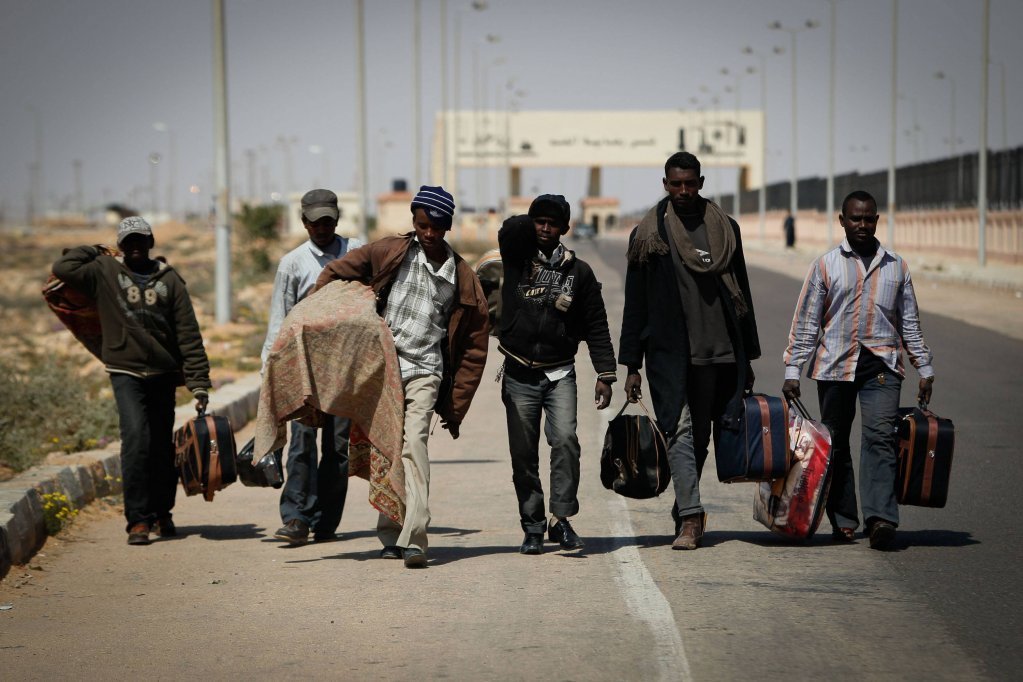
Accra, Ghana — Africans are generally willing to live alongside people from different ethnic, religious and national backgrounds, but many want their governments to tighten immigration controls, according to a new Afrobarometer report.
The findings, based on 50,961 interviews across 38 African countries in 2024/2025, reveal a continent that is broadly tolerant of social differences but less trusting across community boundaries.
The report found that 87% of respondents would welcome or accept neighbours of a different ethnicity, while 84% said the same about people of a different religion.
Similarly, 81% would accept neighbours who support a different political party, and 77% would accept people of a different nationality.
However, the report shows that tolerance does not always translate into trust.
While 81% of Africans said they trust relatives somewhat or a lot, only 58% expressed similar trust in their neighbours.
Trust was even lower toward people from different ethnic or religious groups, at 49% and 48%, respectively.
Immigration Divides Opinion
Immigration emerged as one of the clearest boundaries of inclusion.
Across the 38 countries surveyed, 64% of respondents said their governments should admit fewer or no foreign job seekers, while 70% favoured admitting fewer or no refugees.
Public opinion was almost evenly divided on the economic impact of immigration.
Forty-five per cent said immigrants make a positive contribution to their country’s economy, compared with 44% who said their contribution is negative.
South Africa recorded some of the continent’s most restrictive views, with 69% of respondents describing the economic impact of immigrants as bad or very bad.
The report also found that 69% of Africans would welcome or accept refugees as neighbours, although tolerance toward refugees was lower than toward several other groups.
National Identity Remains Strong
Despite ethnic divisions and concerns about immigration, national identity remains important to most Africans.
Across 32 countries, 85% of respondents said they value their national identity at least as highly as their ethnic identity.
A plurality of 46% said they feel equally attached to both.
The findings suggest that national identity continues to provide a strong sense of belonging, even as ethnic identity remains important in many societies.
Concerns About Fairness Persist
The survey also examined whether citizens believe their ethnic groups are treated fairly by government.
While 56% said their ethnic group is never treated unfairly, 24% said this happens sometimes, 11% often, and 6% always.
These figures point to continuing concerns about institutional fairness and the treatment of different ethnic communities.
What the Findings Mean
Overall, the report portrays African societies as communities with strong family ties and broad social tolerance, but weaker trust across social boundaries.
It also highlights the challenge of balancing social inclusion with concerns about immigration, economic opportunity and fairness.
For policymakers and civil society organisations, the findings provide important evidence for discussions on social cohesion, migration, national identity and inclusive governance.
Afrobarometer is a pan-African, nonpartisan survey research network that provides data on African experiences and evaluations of democracy, governance and quality of life.
Its latest survey round covered 38 countries through face-to-face interviews with nationally representative samples of adults.
Mark Acheampong
Senior Reporter, AGTV News Desk GENERALPolice to fully roll out TRAFFICTECH-GH from October 1September 16, 2026
 GENERALBishop Saah recalls Assemblies of God connection ahead of World CongressSeptember 15, 2026
 GENERALWAGF Congress signals new season for Ghana- Bishop SaahSeptember 15, 2026
 GENERALCDD-Ghana Warns Chief Justice Over Political Comments, Calls for RestraintSeptember 4, 2026